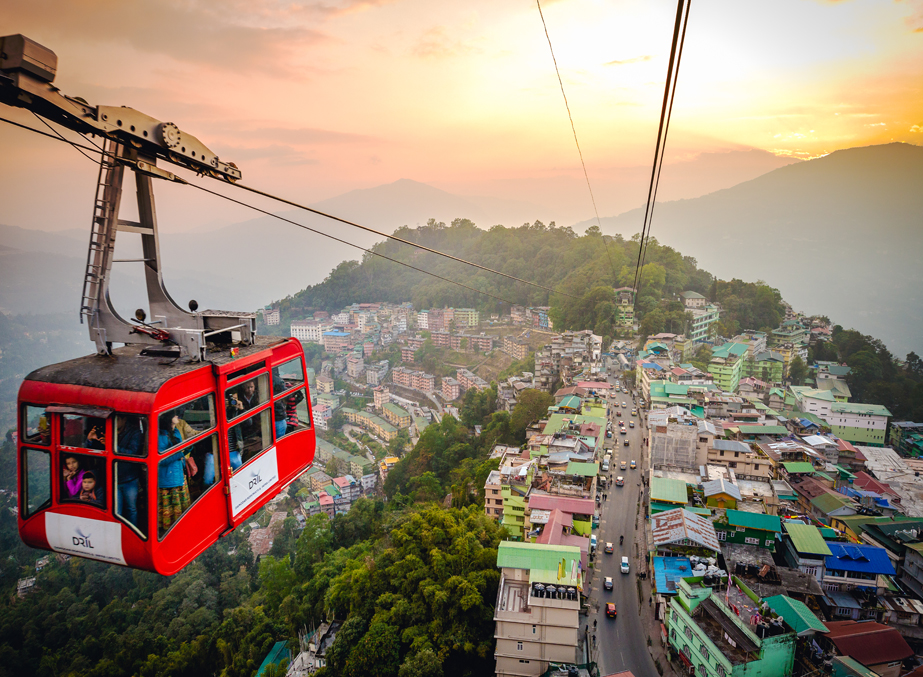
Sikkim: India’s Compact Himalayan State of Lakes, Peaks, and Monasteries
Tucked into the Eastern Himalayas between Nepal, Bhutan, Tibet, and West Bengal, Sikkim is a small but spectacular state known for its snow-capped peaks (including Kanchenjunga, the world’s third-highest mountain), turquoise high-altitude lakes, Buddhist monasteries, and lush green valleys.
Despite its size, it packs in everything from subtropical forests to alpine meadows, making it one of India’s most rewarding mountain destinations.
Why visit Sikkim?
Sikkim’s appeal lies in its variety and sense of discovery:
- 1. Himalayan panoramas – Kanchenjunga dominates the skyline, with dramatic views from Gangtok, Pelling, Dzongri, Goecha La, and many ridgelines.
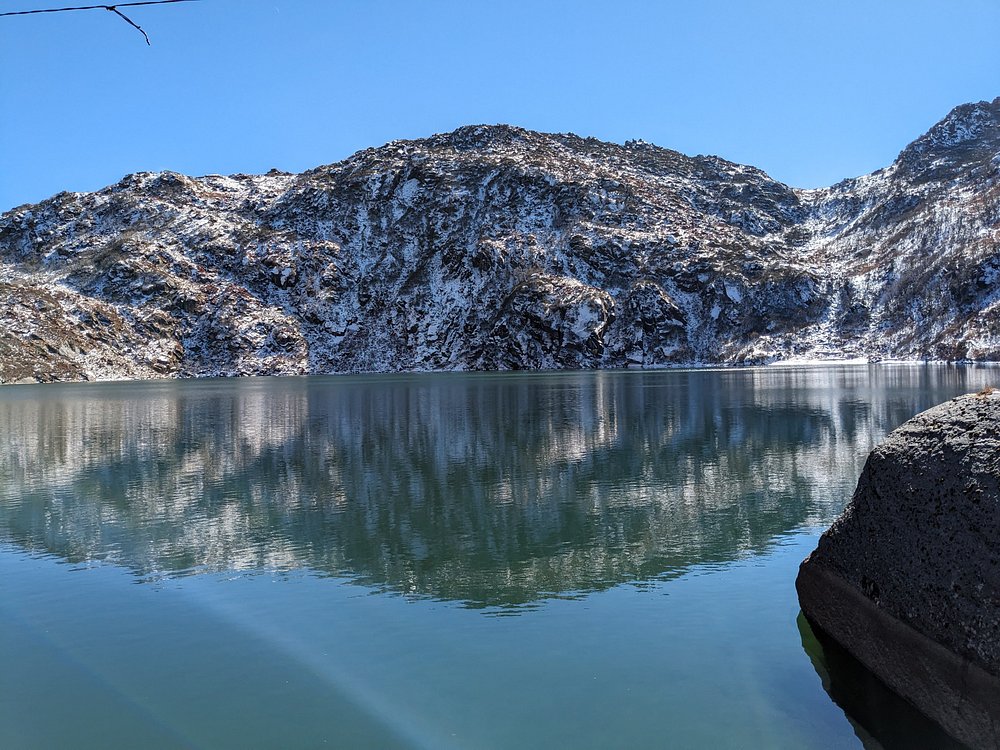
- 2. High-altitude lakes – Tsomgo (Changu) Lake, Gurudongmar Lake, and others offer striking blue waters against barren, rocky landscapes.
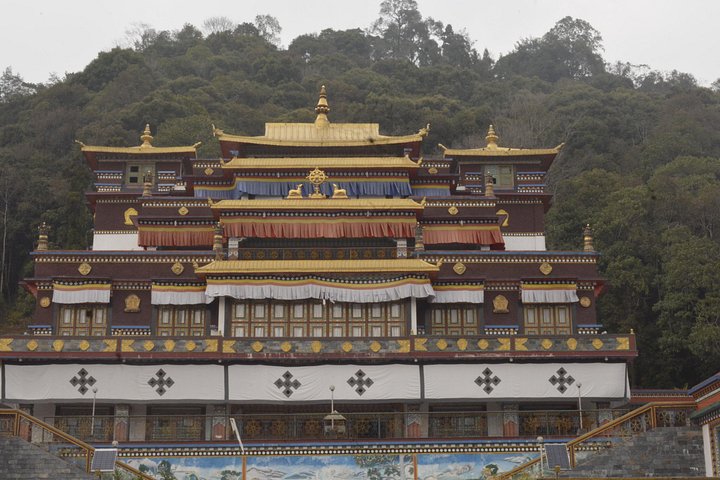
- 3. Buddhist culture – Over 200 monasteries, mostly of the Nyingmapa tradition, dot the state, from Rumtek near Gangtok to remote gompas in North Sikkim.
- 4. Trekking and nature – Classic treks like Dzongri–Goecha La, Green Lake, and shorter hikes around Yuksom, Lachen, and Dzongri showcase rhododendron forests, alpine meadows, and glacier views.
- 5 .Clean, slow travel – Sikkim is known for its environmental focus, ban on plastic bottles in many areas, and generally relaxed, small-town feel.
Best time to go
Sikkim is a year-round destination, but two main windows work best for most travellers:
- 1. March–June (spring to early summer) – Pleasant weather (roughly 10–25°C in lower areas), blooming rhododendrons, open high passes, and good conditions for trekking and sightseeing; this is peak season for families and first-time visitors.
- 2. October–mid-December (autumn to early winter) – Post-monsoon clarity, the clearest Kanchenjunga views of the year, comfortable days and cold nights; widely considered the single best window for photography and mountain vistas.
November–February (winter) brings cold weather and snow above ~3,000 m; great if you want snow scenes and fewer crowds, though some high passes (like Nathu La) may close and nights can be very cold.
June–September (monsoon) sees heavy rain, frequent landslides on key roads (including NH10 approaches), and restricted access to places like Tsomgo Lake and Nathu La; it’s the least reliable time for views and smooth travel.
Top things to do
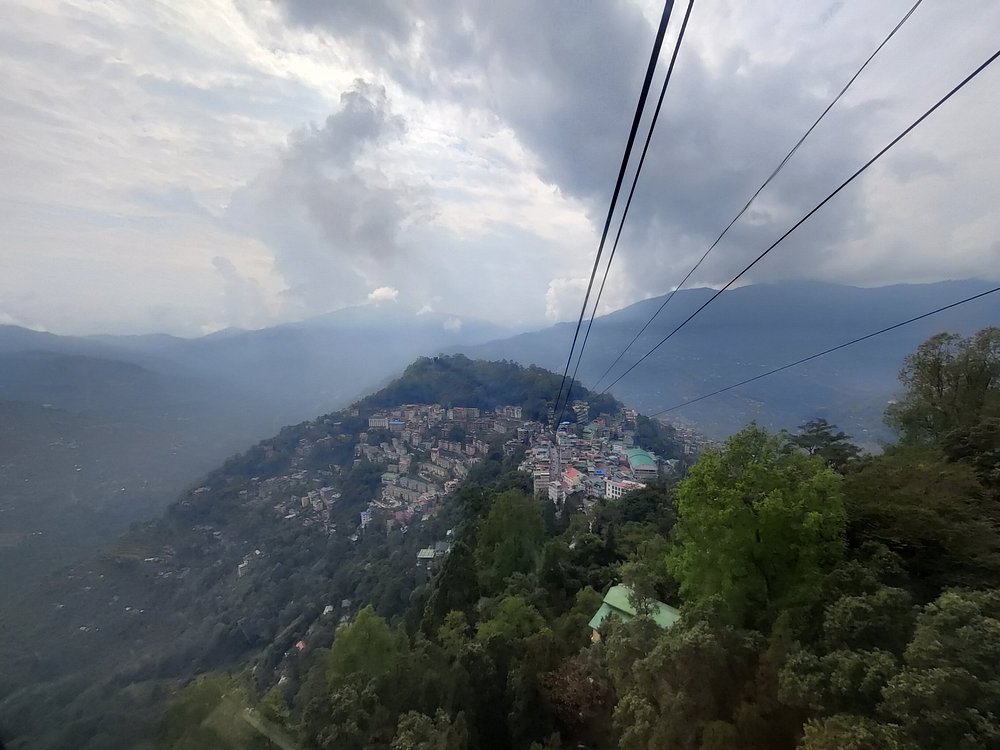
- 1 .Explore Gangtok – Walk the MG Marg pedestrian zone, visit monasteries like Rumtek and Enchey, and enjoy ridge-top views over the Teesta valley.
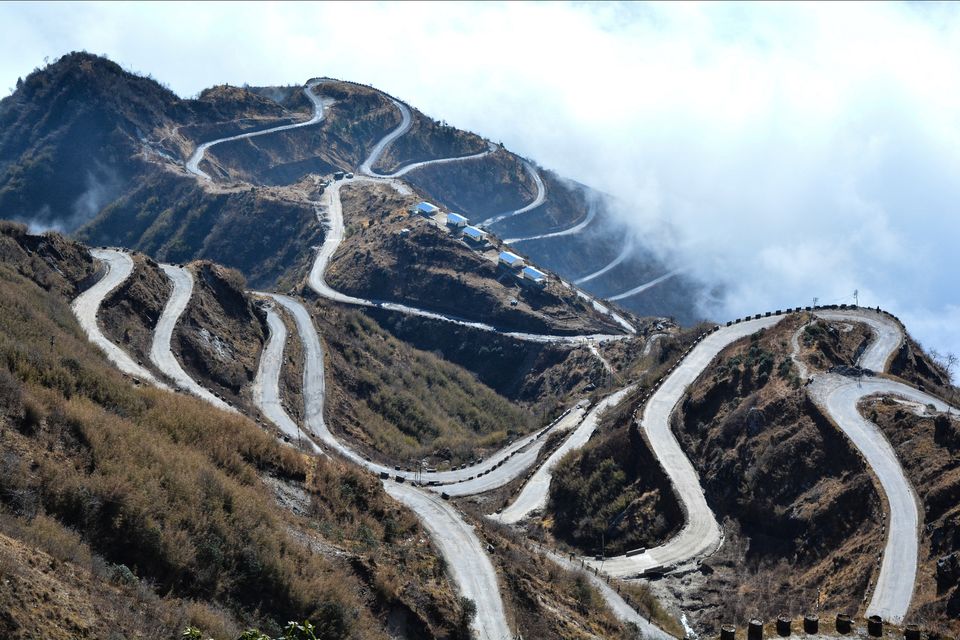
- 2 . Tsomgo (Changu) Lake and Nathu La – Day trips from Gangtok take you to the turquoise Tsomgo Lake and, with permits, to the Indo–Tibetan border at Nathu La (subject to opening/closure).
- 3 . North Sikkim circuit – From Gangtok, head to Lachen and Lachung as bases for Gurudongmar Lake, Yumthang Valley (“Valley of Flowers”), and Zero Point, with stark, high-altitude scenery
- 4 . Pelling and surroundings – Stay in Pelling for close-up Kanchenjunga views, and visit Pemayangtse Monastery, Khecheopalri Lake, and the skywalk near Rimbi.
- 5 . Yuksom and Dzongri–Goecha La treks – From Yuksom, the historic first capital, start multi-day treks into the Kanchenjunga Conservation Area for some of Sikkim’s best mountain trekking.
Getting there
- Permits (ILP/RAP) – Foreign nationals need an Inner Line Permit (Restricted Area Permit) to enter Sikkim; Indian nationals from outside certain northeastern states also need an ILP
- Nearest major rail/air hub: New Jalpaiguri (NJP) railway station and Bagdogra Airport (IXB) in Siliguri, West Bengal, about 4–5 hours’ drive to Gangtok.
- Local transport: Shared jeeps, private taxis, and tour vehicles are the main ways to move between Gangtok, Pelling, Lachen/Lachung, and other hubs.